Creating sustainable, secure, and future-ready drone and air mobility frameworks.
Introduction
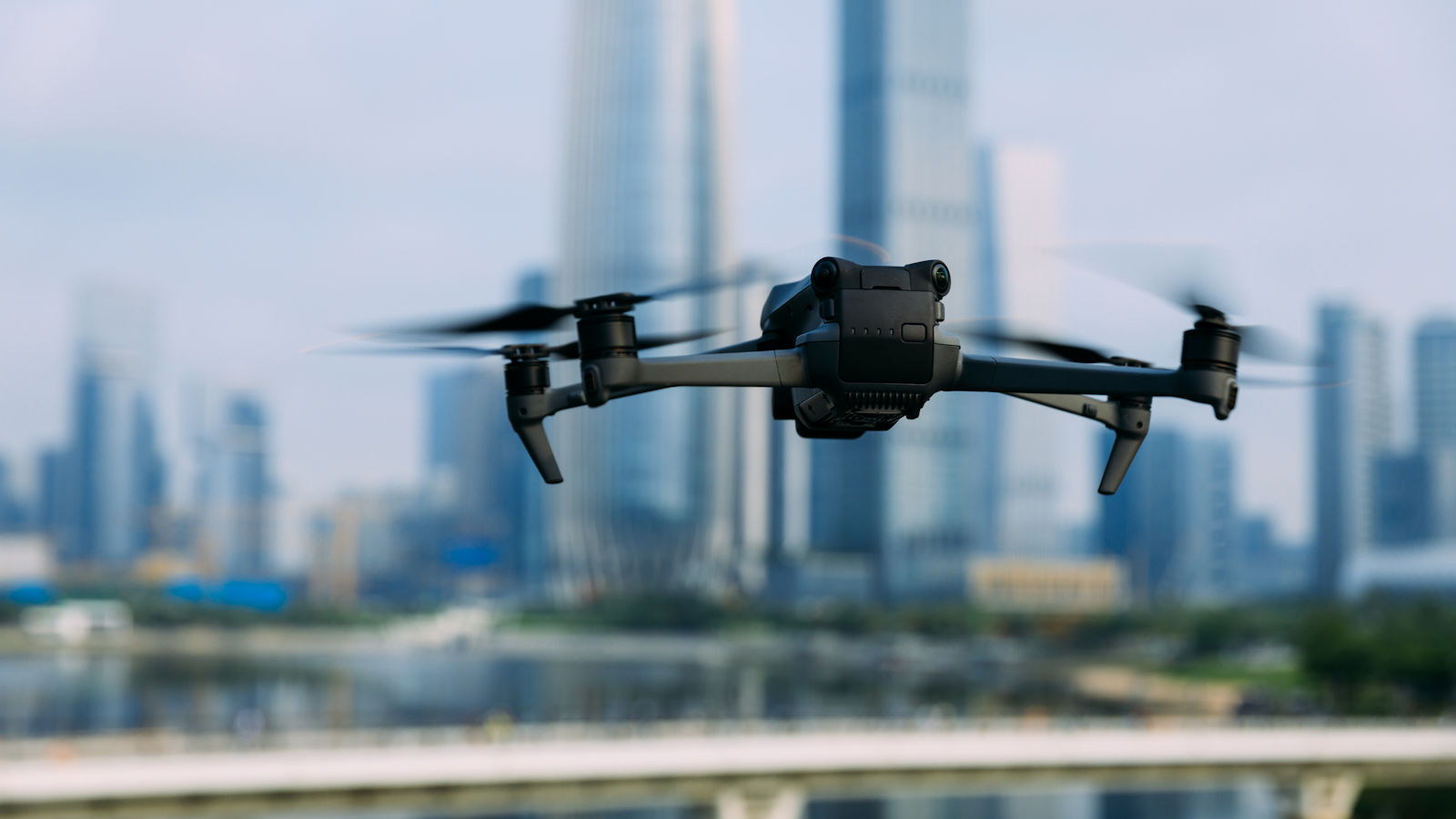
The skies are changing. Drones are no longer just gadgets—they have become tools for delivery services, infrastructure inspections, emergency response, and more. Advanced Air Mobility (AAM), including electric air taxis and autonomous aircraft, promises to transform urban transport and logistics. But with these opportunities come complex legal and regulatory challenges for governments.
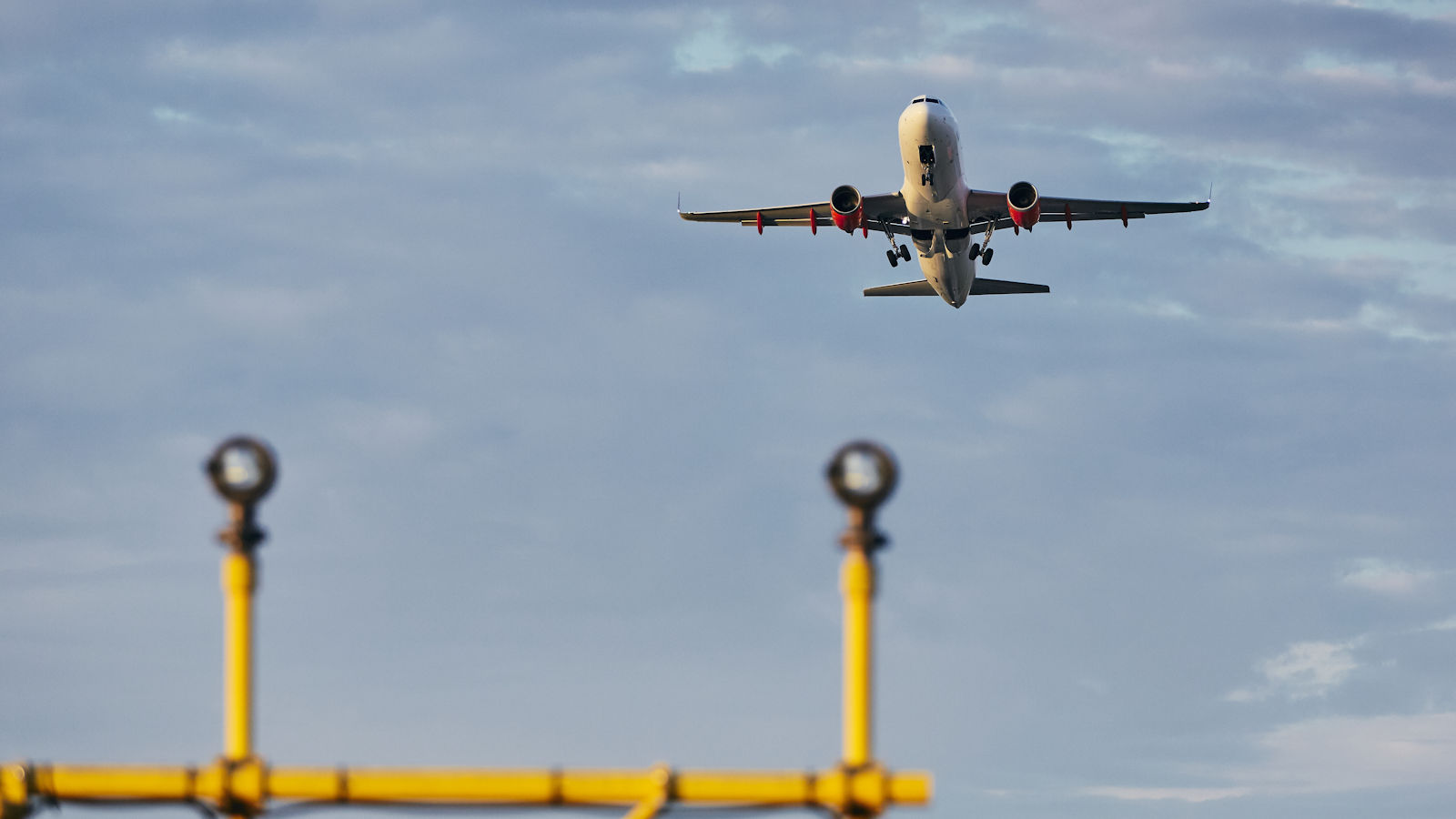
Integrating drones safely into existing airspace is a major hurdle. Low-altitude flights, autonomous operations, and dense urban environments require new rules and robust traffic management systems.
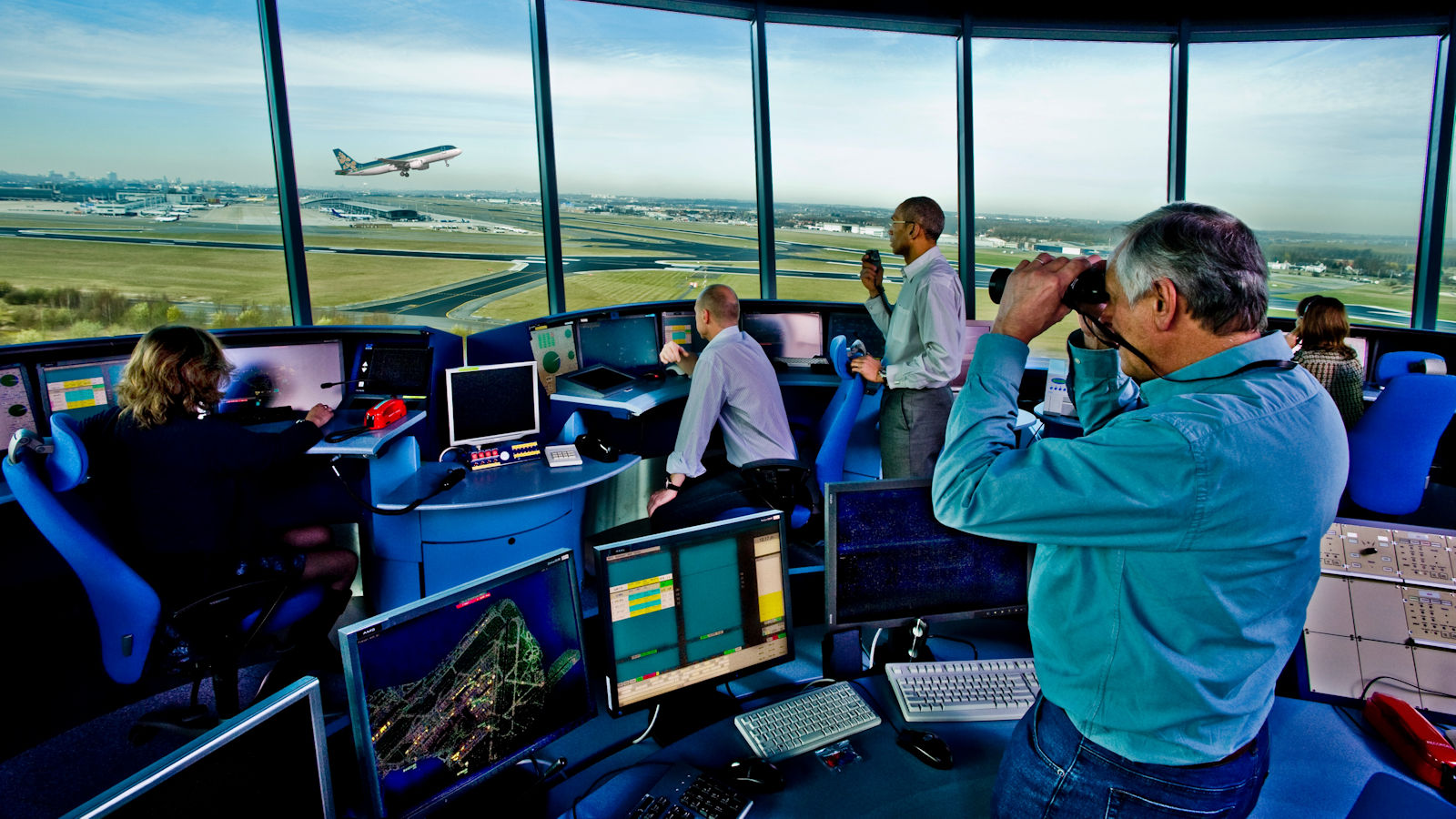
U-Space. The main challenge with U-Space for governments is safely managing dense, low-altitude airspace while balancing innovation, security, and public trust. Coordinating drones with manned aviation, ensuring real-time tracking and conflict resolution, and maintaining cybersecurity are all critical. At the same time, governments must define clear regulatory and liability frameworks and ensure the system can scale efficiently as drone traffic grows.
Security and Defense challenges Drones and advanced air mobility introduce significant national security and defense challenges for governments. Unmanned aircraft can operate near critical infrastructure, military sites, and sensitive industrial zones, raising risks of espionage, sabotage, or unauthorized surveillance. Ensuring secure airspace requires robust detection, monitoring, and counter-drone systems, alongside strict regulatory and operational controls. At the same time, governments must balance security concerns with the promotion of innovation and commercial drone use, creating a framework that protects defense interests without stifling technological progress.
Environmental impact is another compelling reason to embrace drones and AAM. Electric and hybrid-electric aircraft produce significantly lower emissions compared to conventional transport. Drones can reduce the need for heavy vehicles, optimize delivery routes, and lower the carbon footprint of urban logistics. At the same time, noise generated by drones can affect local communities, making careful flight planning and operational restrictions essential. By supporting cleaner, more efficient, and quieter air mobility, governments can align regulatory frameworks with broader sustainability and climate goals.
Urban Air Mobility (UAM) introduces additional challenges. Noise management, vertiport certification, flight routing, and public acceptance all require new frameworks and close coordination between aviation authorities, municipalities, and other government agencies.
Beyond Visual Line of Sight (BVLOS) operations add another layer of complexity. BVLOS flights are critical for deliveries, inspections, and logistics—but they require rigorous risk assessments, advanced traffic management, and clear regulatory guidance.
Cybersecurity is another pressing issue. Drones are connected devices vulnerable to hacking or misuse, potentially threatening public safety and critical infrastructure. Governments must establish strong cybersecurity requirements that operators and manufacturers can realistically implement.
Privacy and data protection must be addressed. Drones capture high-resolution images and sensitive data, raising questions about surveillance, citizen privacy, and compliance
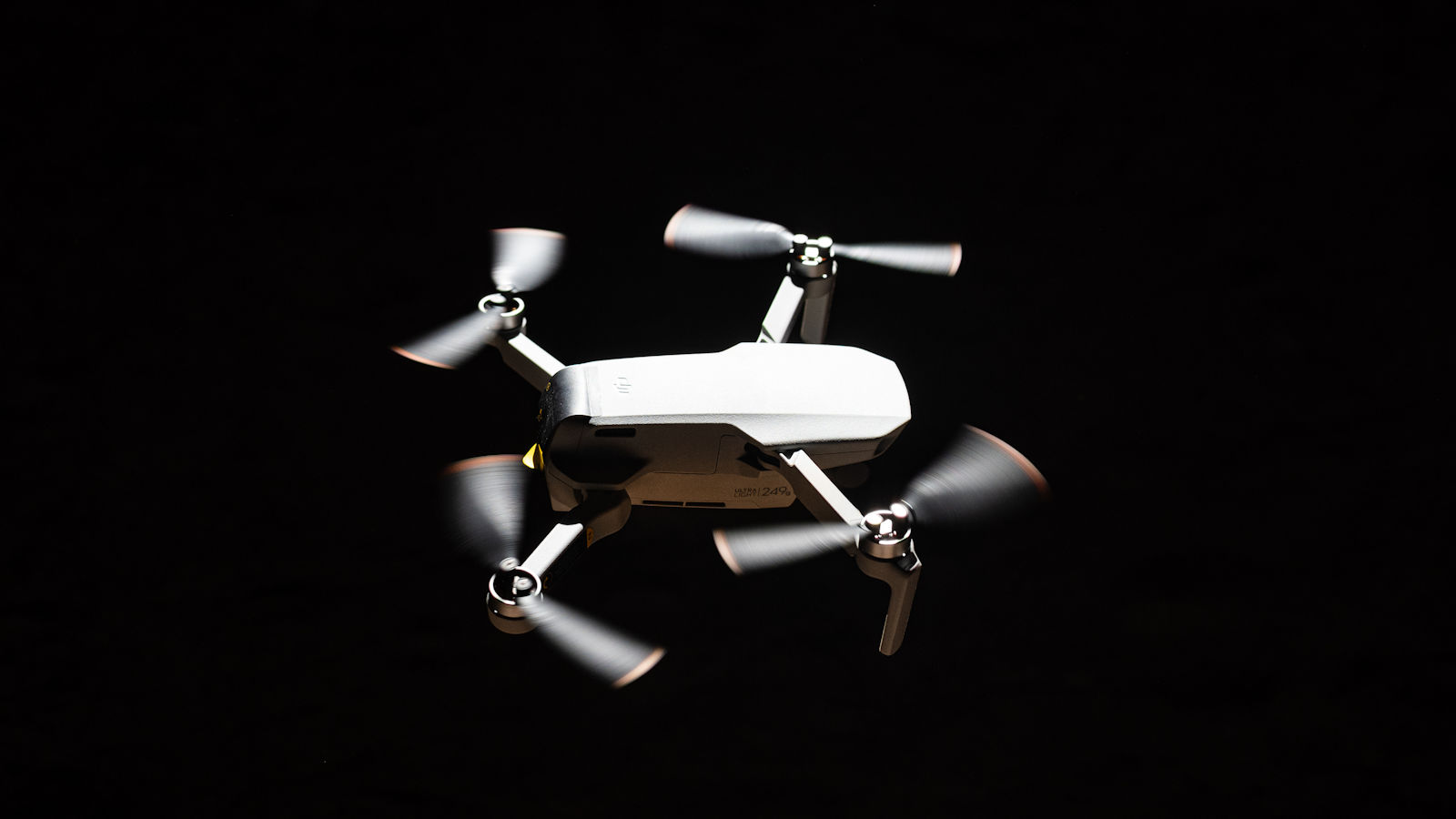
Surveillance drone in flight
with regulations such as GDPR. Balancing innovation with privacy protection is a delicate but necessary task for regulators.
Creating standardized technical and operational requirements is essential for scaling drone services. Remote identification, detect-and-avoid systems, airworthiness standards, and international harmonization are all needed to enable safe, efficient, and cross-border drone operations.
Fragmented Institutional Responsibility Responsibilities for drones are often spread across multiple government bodies, with aviation safety handled by one authority, telecom and frequency management by another agency, and privacy oversight by a separate authority. This division can make it challenging to develop coherent, streamlined policies for drone operations.
For certified drones, such as large commercial or passenger-carrying aircraft, clear procedures for certification, operator liability, and insurance are essential. Current regulations for these higher-risk categories are still developing and not yet fully mature.
Finally, the rapid pace of technological change means regulations must be flexible and future-proof. Rules that are too rigid risk becoming obsolete, while vague regulations create uncertainty for operators and investors.
Navigating these challenges is no small feat—but governments don’t have to do it alone. We help public organizations develop safe, compliant, and strategies for tomorrow’s skies for drones and air mobility. From U-Space integration to regulatory planning, and from operational safety to environmental optimization, we provide the expertise needed to embrace innovation while keeping the skies safe, sustainable, and efficient.
Why This Matters for Policy Makers
For governmental organizations, the rapid development of drone technology represents both an opportunity and a risk. On one hand, drones can deliver societal value: improving public services, supporting green innovation, and strengthening national capacity. On the other hand, without robust, adaptive regulation, misuse, accidents, or inefficient deployment could erode public trust and pose safety and security challenges.
By investing in a coordinated drone policy, supporting strategic public sector use, and promoting a domestic drone ecosystem, countries can position itself as a leader in safe, innovative, and sovereign unmanned aviation.
We act as a central liaison, connecting legal, technical, and operational expertise to help governments and organizations implement safe, and efficient drone and air mobility programs. By connecting stakeholders and turning complexity into practical solutions, we ensure airspace innovation is both achievable and built for the next generation of mobility..