
Simplifying ICT: A Practical Path to Affordable Aviation Compliance
Introduction: The Role of Compliance in Aviation Oversight Compliance [...]
Introduction: The Role of Compliance in Aviation Oversight Compliance [...]
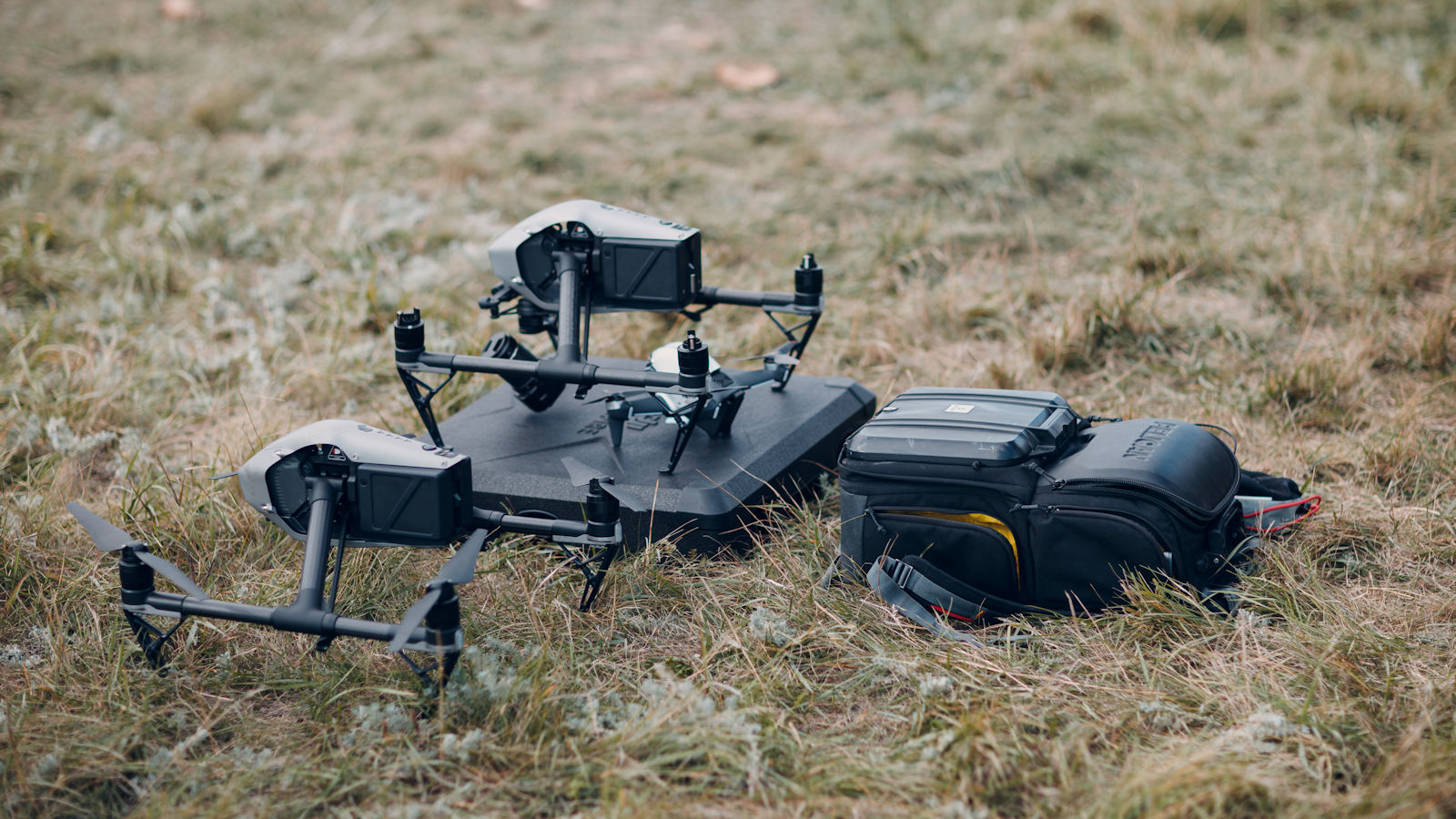
Creating sustainable, secure, and future-ready frameworks for drones and advanced air mobility is one of today’s key challenges for governments. From U-Space integration and BVLOS operations to cybersecurity, privacy, and environmental impact, effective regulation is essential to balance innovation, safety, and public trust. We support public authorities with expert guidance on drone policy, airspace management, security, and compliance—helping them build scalable, resilient, and future-proof solutions for tomorrow’s skies.
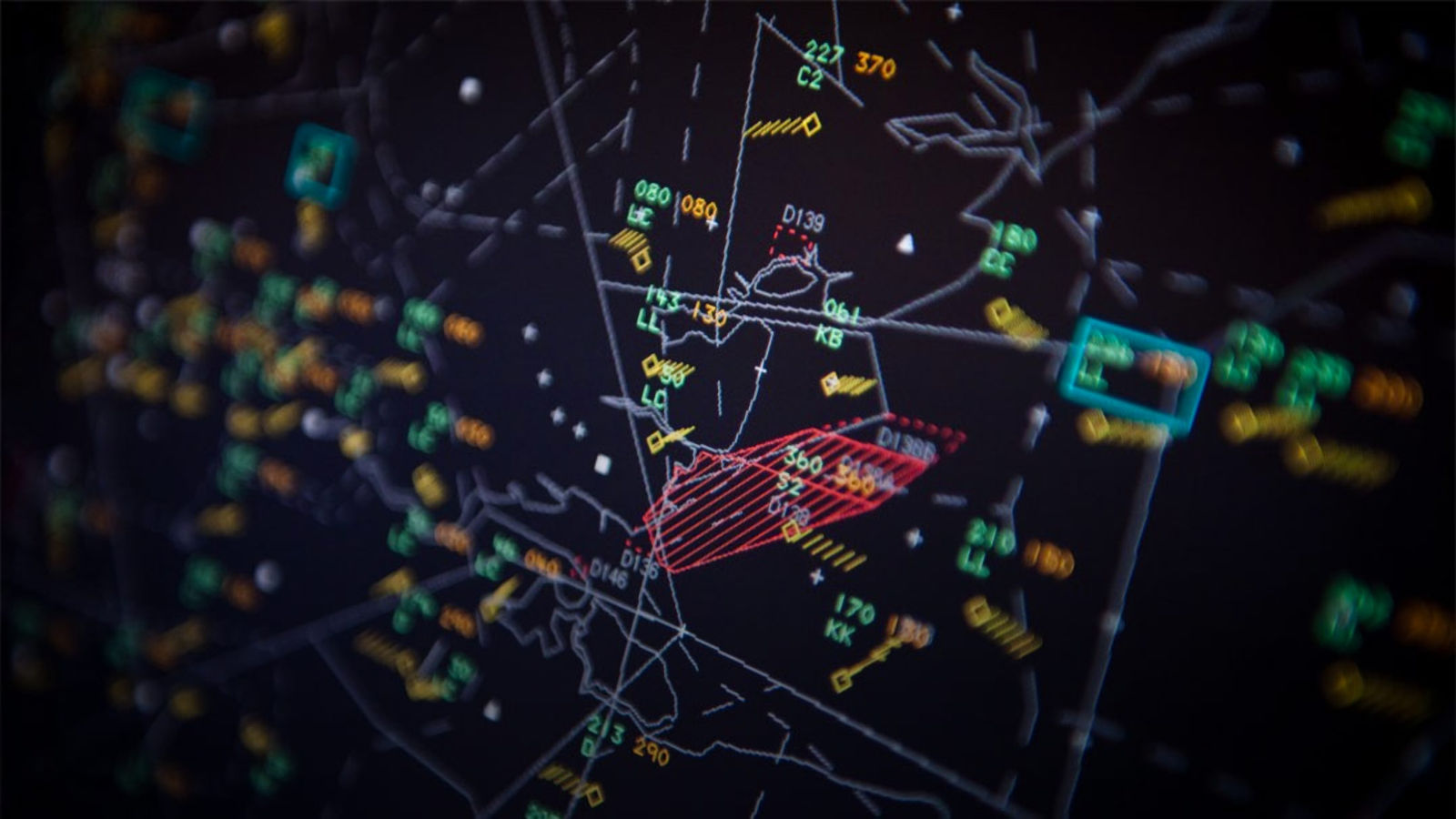
As aviation becomes increasingly digital, cyber threats pose a growing risk to flight safety, operations, and sensitive data. From ransomware and GPS interference to attacks on airport and air traffic management systems, robust cybersecurity is now critical for airlines, airports, and drone operators alike. We help aviation organizations strengthen cyber resilience, ensure regulatory compliance, and protect critical systems—safeguarding business continuity, passenger trust, and safe operations in an evolving threat landscape.
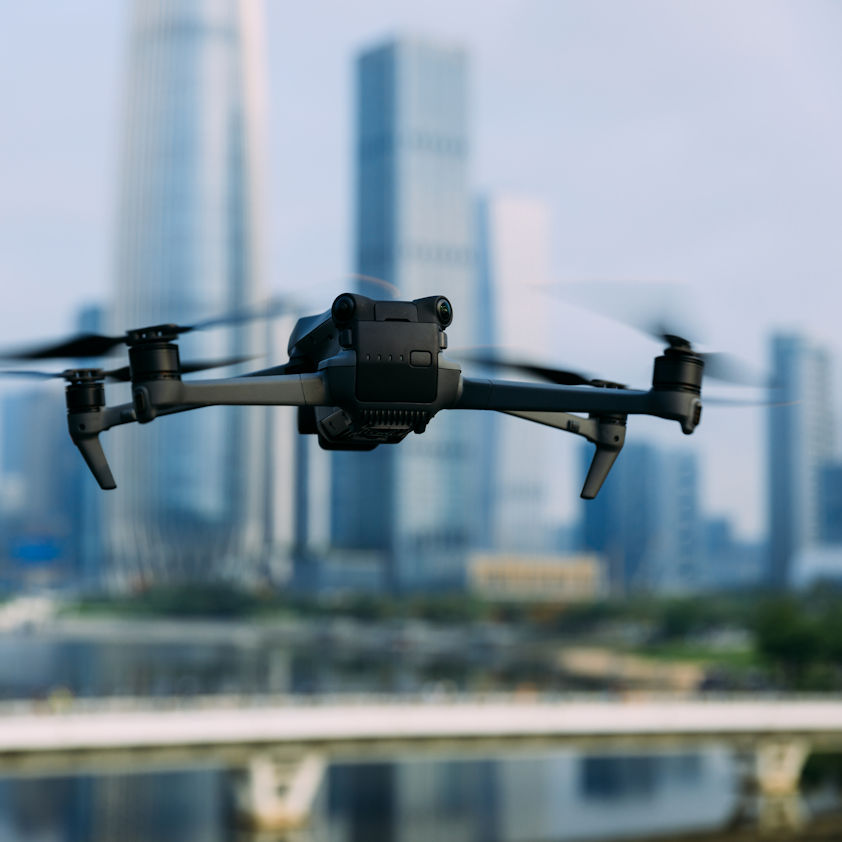
Mastering drone airspace is essential for safe, compliant, and profitable commercial operations. From understanding EASA airspace classes and using the right tools to obtaining proper airspace authorizations, clear procedures and regulatory compliance protect both your flights and your business. This article explains the most common mistakes made by commercial drone operators and shows how a strong compliance culture helps prevent fines, operational disruptions, and reputational damage—ensuring every mission is conducted safely, legally, and with confidence.
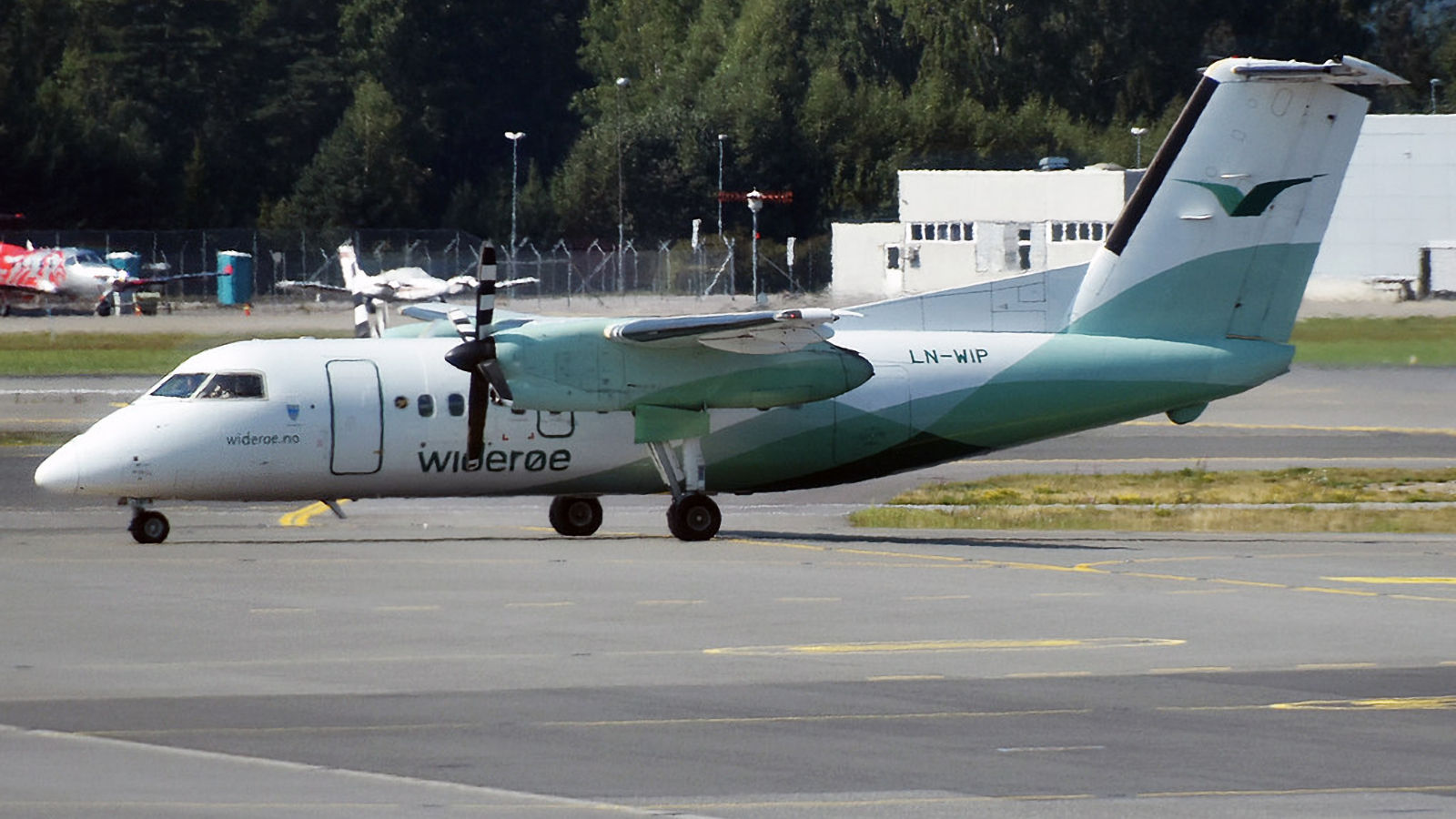
A missed altimeter setting nearly led to a Controlled Flight Into Terrain (CFIT) incident on a Widerøe DHC-8, exposing how weak procedures, high workload, and compliance gaps can undermine aviation safety. This case study shows how CRM breakdowns, ineffective checklists, and technical limitations create systemic risk—and why robust procedures, EASA compliance, and practical safety barriers are essential to turn written rules into real-world protection.
A landmark ruling by the Court of Justice of the European Union clarifies that a design fault in a newly introduced aircraft can qualify as an “extraordinary circumstance” under Regulation EC261/2004, relieving airlines from compensation liability. This article explains how key CJEU judgments shape passenger compensation rights, where the limits of airline responsibility lie, and why understanding these cases is essential for airlines, legal professionals, and passengers navigating EU air passenger rights.