
How Landmark EU Court Cases Define Compensation and ‘Extraordinary Circumstances’
Introduction: Understanding Regulation EC261/2004 and Its Key Court Cases
Regulation EC261/2004 is the cornerstone of passenger rights in the European Union, establishing rules on compensation and assistance for passengers in the event of flight delays, cancellations, or denied boarding. Its primary goal is to ensure that airlines treat passengers fairly when disruptions occur, while also providing clear mechanisms for claiming financial compensation in eligible cases. Since its adoption, the regulation has been shaped and clarified by numerous rulings from the European Court of Justice (CJEU). Some of the most significant cases include:
Sturgeon v. Condor (C-402/07 & C-432/07, 2009): Established that passengers are entitled to compensation for long delays, similar to cancellations.
Wallentin-Hermann v. Alitalia (C-549/07, 2008): Clarified the definition of “extraordinary circumstances” that can exempt airlines from liability.
Air France v. CJEU (Design Fault Case, 2025): Ruled that a design fault in a new aircraft qualifies as an “extraordinary circumstance,” relieving the airline of delay compensation obligations.
These rulings highlight the dynamic interpretation of EC261/2004, where courts balance passenger rights with the operational realities and unforeseen challenges faced by airlines. Understanding these cases is essential for airlines, legal practitioners, and passengers alike to navigate the complex landscape of EU air passenger rights.
Background
On 13 June 2024, the European Court of Justice (“ECJ”) issued a preliminary ruling on the interpretation of Regulation (EC) No 261/2004, which establishes passenger rights in the event of flight cancellations, long delays, or denied boarding, in proceedings involving Finnair Oyj. The case concerned a scheduled flight on 25 March 2016 from Helsinki to Bangkok, which was cancelled due to a technical failure in a recently introduced aircraft model that neither the manufacturer nor safety authorities had previously encountered. The flight was rescheduled the following day, arriving about 20 hours late. A passenger claimed €600 in compensation under Articles 5(1)(c) and 7(1)(c) of the Regulation, which Finnair refused, arguing the failure constituted an extraordinary circumstance under Article 5(3) and that all reasonable measures had been taken. While the District Court initially sided with the passenger, the Court of Appeal overturned this, finding the technical failure beyond Finnair’s control. The case was then referred to the ECJ for guidance on whether such a technical defect qualifies as an extraordinary circumstance. The Regulation itself aims to ensure a high level of passenger protection, granting rights to assistance and compensation for cancellations unless specific conditions regarding advance notice and re-routing options, as detailed in Article 5(1)(c), are met.
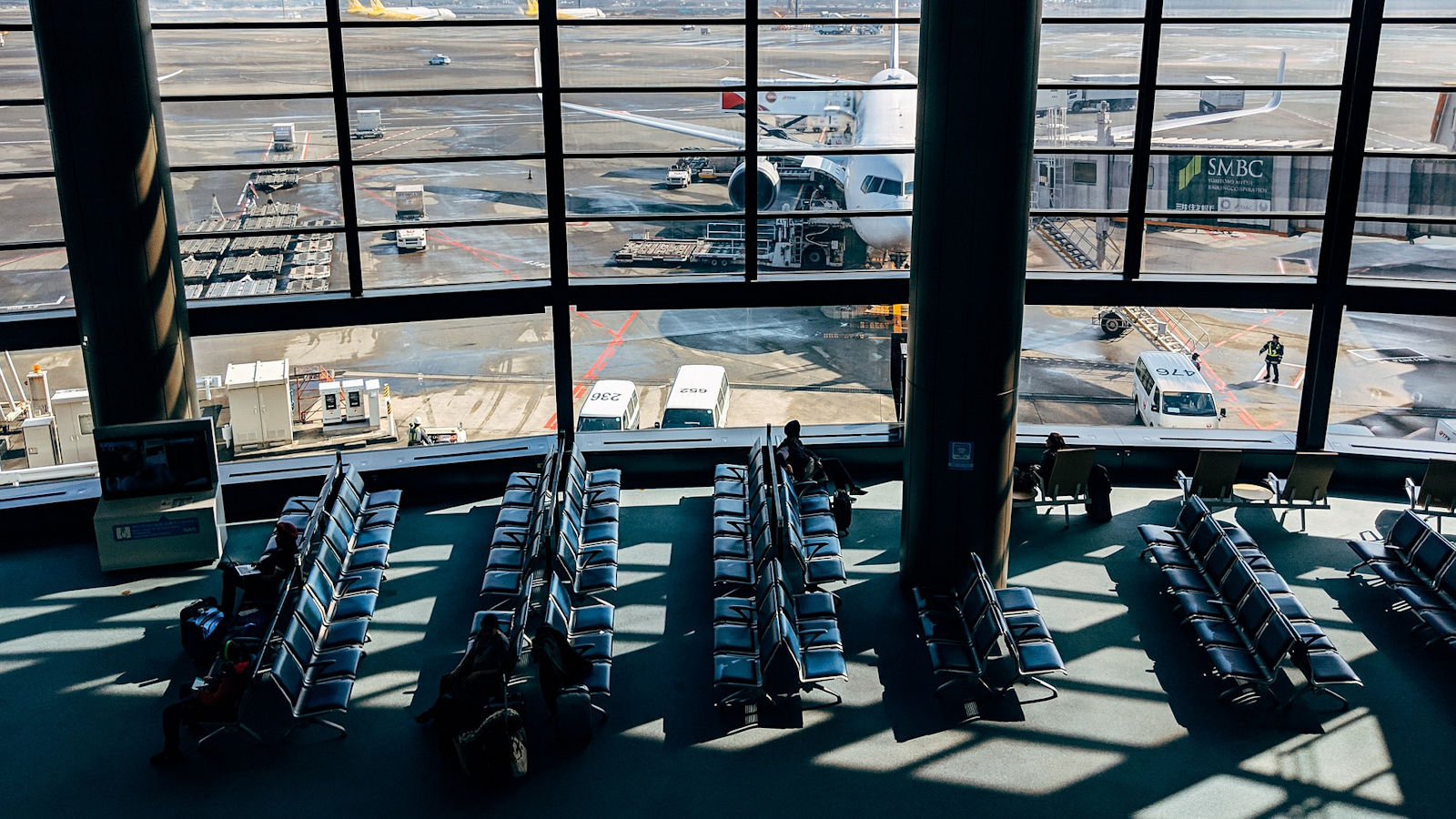
Waiting for a Flight & Compensation
Extraordinary Circumstance under Article 5(3)
On 13 June 2024, the European Court of Justice (“ECJ”) issued a preliminary ruling on the interpretation of Regulation (EC) No 261/2004, which establishes passenger rights in the event of flight cancellations, long delays, or denied boarding, in proceedings involving Finnair Oyj. The case concerned a scheduled flight on 25 March 2016 from Helsinki to Bangkok, which was cancelled due to a technical failure in a recently introduced aircraft model that neither the manufacturer nor safety authorities had previously encountered. The flight was rescheduled the following day, arriving about 20 hours late. A passenger claimed €600 in compensation under Articles 5(1)(c) and 7(1)(c) of the Regulation, which Finnair refused, arguing the failure constituted an extraordinary circumstance under Article 5(3) and that all reasonable measures had been taken. While the District Court initially sided with the passenger, the Court of Appeal overturned this, finding the technical failure beyond Finnair’s control. The case was then referred to the ECJ for guidance on whether such a technical defect qualifies as an extraordinary circumstance. The Regulation itself aims to ensure a high level of passenger protection, granting rights to assistance and compensation for cancellations unless specific conditions regarding advance notice and re-routing options, as detailed in Article 5(1)(c), are met.Conclusion
In today’s aviation landscape, compliance is not just a checkbox—it is the engine that drives safe and commercially viable operations. Organizations that embrace compliance as a strategic priority protect their people, their assets, and their reputation, while creating the conditions for sustainable growth. By aligning regulatory adherence with operational efficiency, companies can operate with confidence, innovate responsibly, and seize commercial opportunities without compromising safety. In short, a strong compliance culture transforms safety requirements into a competitive advantage, ensuring that every flight is both secure and profitable.
Litigation Support Services
Our consultancy offers comprehensive services in case of aviation-related litigation, combining legal expertise with technical knowledge of aircraft and flight operations. We assist clients with all stages of a dispute, from case assessment and strategy development to expert witness support and document preparation.
We have a proven track record of supporting airlines, manufacturers, and aviation service providers in complex cases involving flight delays, safety investigations, regulatory compliance, and contractual disputes, ensuring that our clients are well-prepared and represented at every stage of litigation.
Source: https://eur-lex.europa.eu/legal-content/EN/TXT/?uri=CELEX%3A62023CJ0385