Protecting Flights, Data, and Operations in an Era of Evolving Cyber Threats
Introduction
The civil aviation sector is more connected and technology-driven than ever, relying heavily on information and communication systems to manage everything from flight operations to passenger services. With this digital dependence comes increased vulnerability: cyber threats are continuously evolving, and attackers are becoming more sophisticated. Malicious actors may aim to disrupt operations, compromise safety systems, or steal sensitive data, driven by political, financial, or other strategic motives. For airlines, airports, and air traffic management organizations, understanding and mitigating these risks is no longer optional—it’s essential to protect business continuity, passenger trust, and the integrity of critical aviation systems.
In Septe,ber 2025, a ransomware attack on third-party systems disrupted check-ins at major EU airports, causing flight delays, cancellations, and costly operational headaches. European Union Agency for Cybersecurity (ENISA) confirmed that cyber threats in aviation remain real, imminent, and evolving, putting both passenger safety and business continuity at risk. Strengthening cyber defenses is no longer optional—it’s essential.
Threats
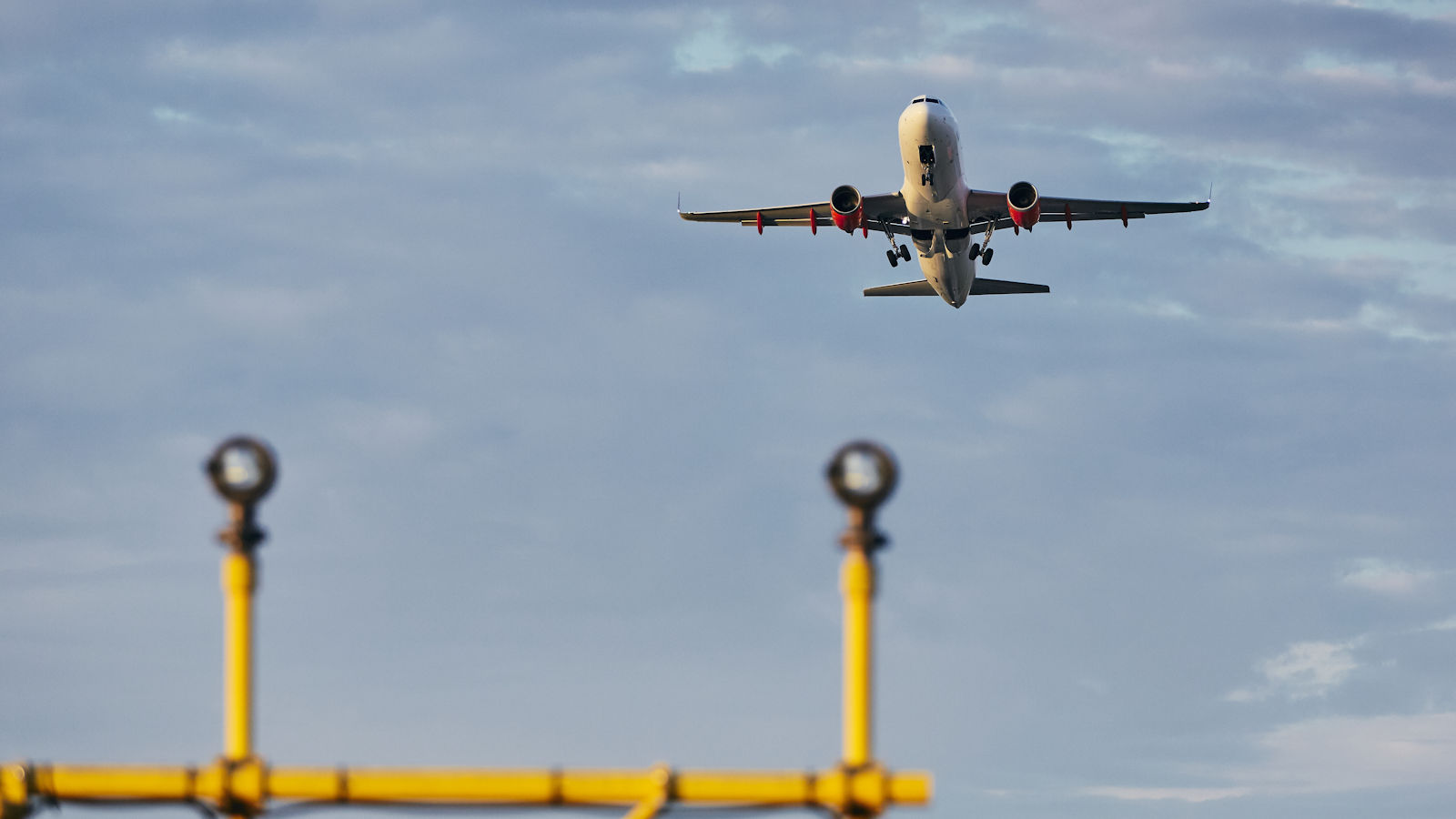
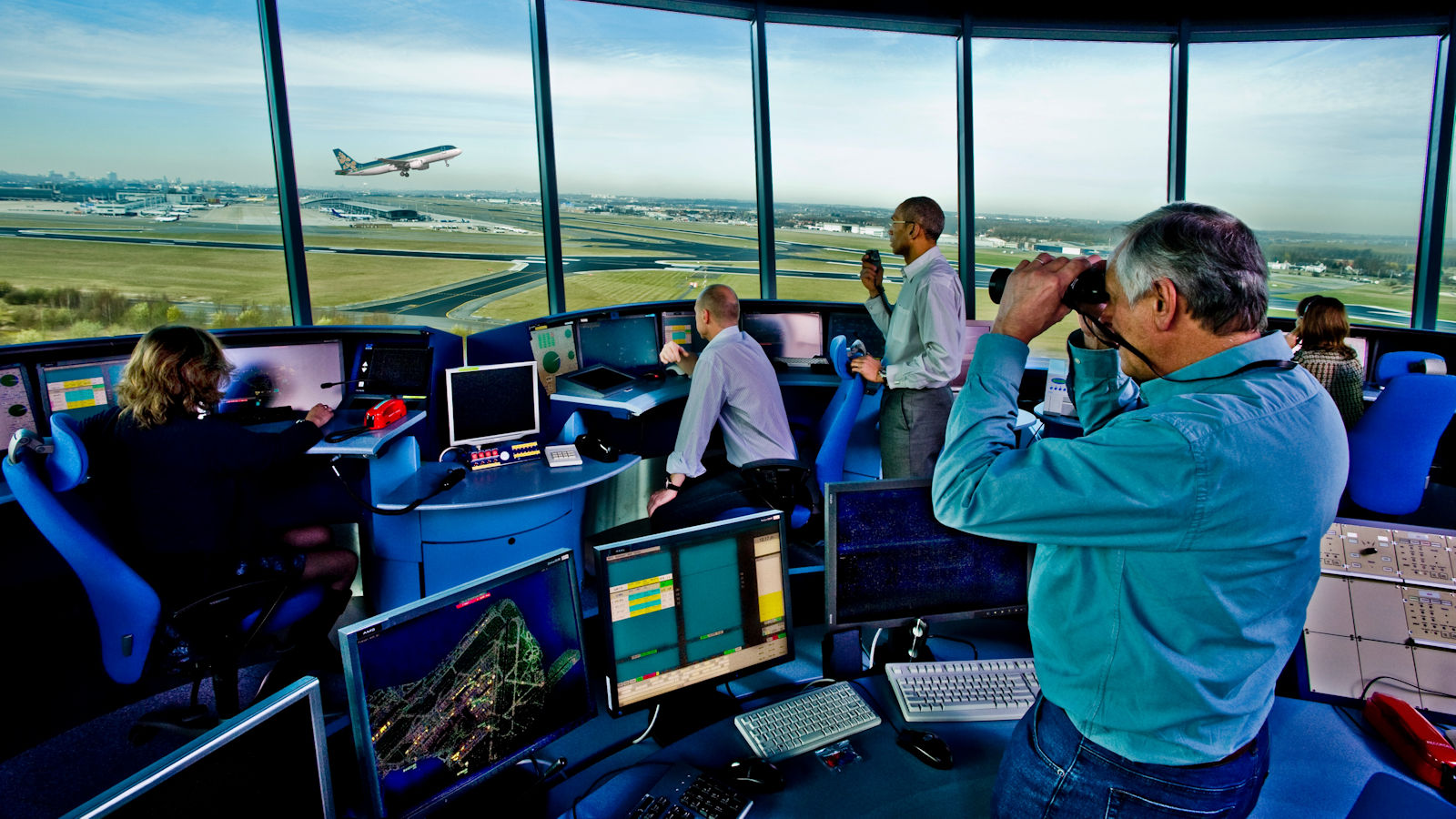
The aviation sector faces a growing range of cyber threats that can disrupt operations and compromise safety. Ransomware attacks, such as the 2018 incident at Atlanta Airport, have shown how malicious software can cripple critical systems, leading to flight delays and operational chaos. Meanwhile, GPS spoofing and jamming threaten accurate navigation, potentially endangering aircraft in flight. Cyber attackers have also gained unauthorized access to air traffic control and airport operations systems, raising serious security and safety concerns. Additionally, Distributed Denial of Service (DDoS) attacks can overwhelm operational networks, paralyzing systems that airlines and airports rely on for scheduling, communication, and passenger management. Together, these incidents illustrate the urgent need for robust cybersecurity measures across the aviation ecosystem.
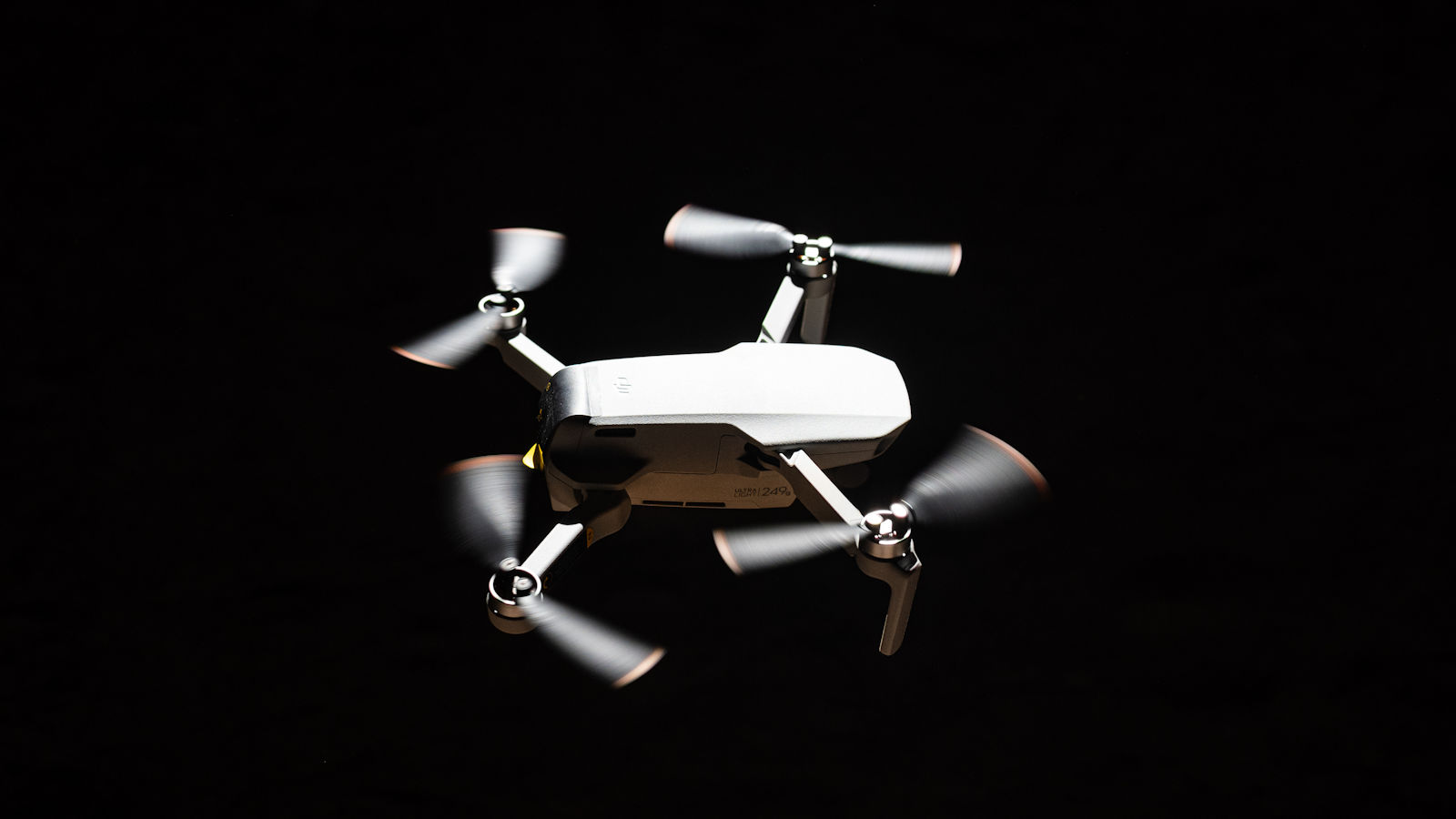
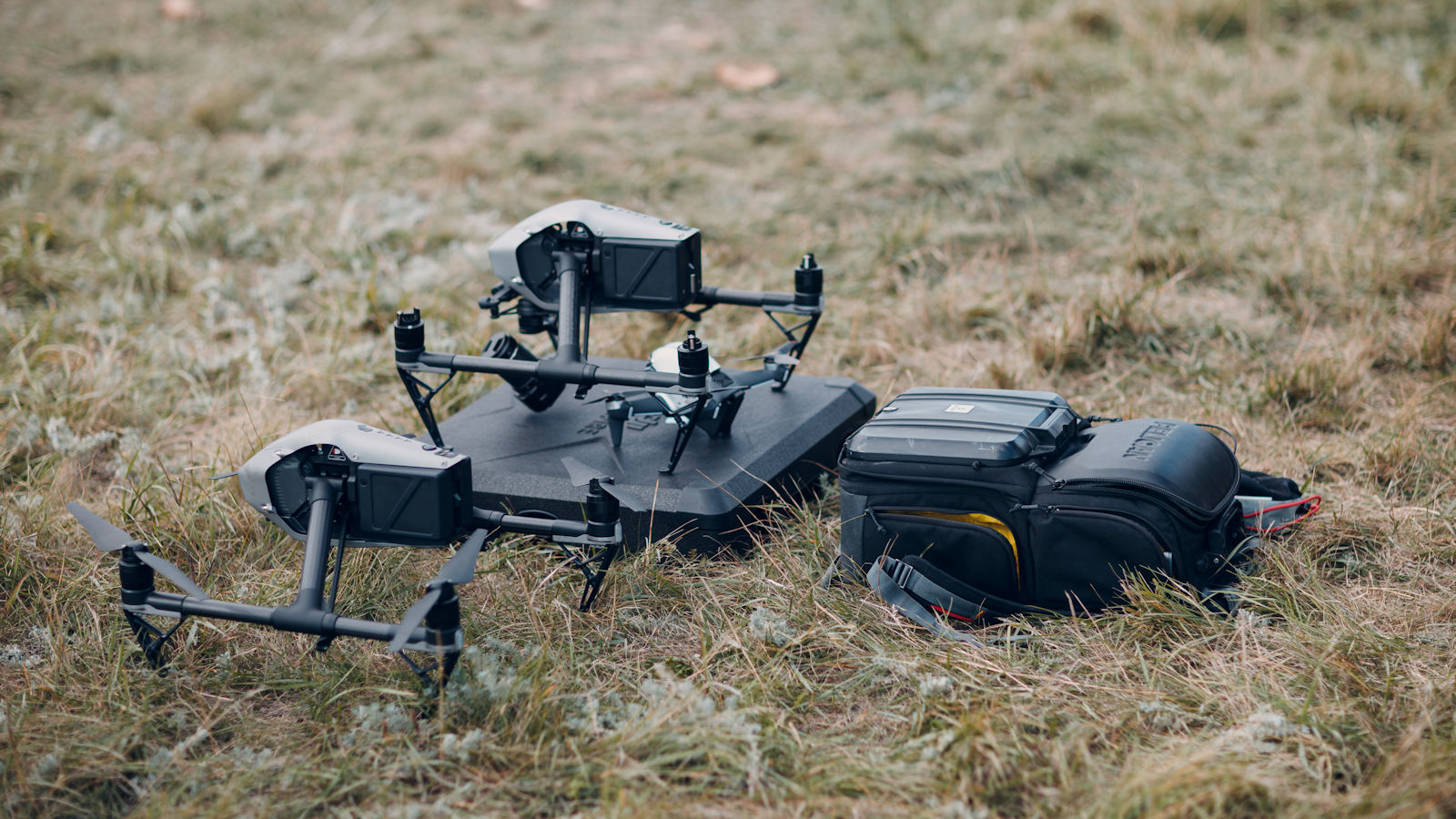
Surveillance drone in flight
Common Mistakes Made by Commercial Drone Operators
1-Not Understanding Airspace
One of the most common mistakes by commercial drone operators is not fully understanding airspace. Airspace is structured to ensure the safe separation of manned and unmanned aircraft, and EASA regulations define clear rules depending on the type of airspace. Around airports, controlled zones (CTR/ATZ) exist where air traffic control (ATC) manages all flights. Drones cannot enter these areas without explicit authorization, as they could interfere with arriving or departing aircraft. Outside controlled zones, drones may operate more freely, but operators must still respect altitude limits, avoid congested areas, and maintain visual line of sight.
Airspace is generally divided into classes, from Class A (strictly controlled, usually high altitudes) to Class G (uncontrolled, lowest altitudes). Each class has specific rules about who may fly, altitude restrictions, and separation from manned aircraft. For example, in uncontrolled airspace near small airports, drones must stay clear of manned traffic and maintain safe distances from people and property.
In Europe, airspace is divided into different classes to keep skies safe. Knowing these is essential for safe drone operations:
Class A – Only manned aircraft flying on instruments (IFR) are allowed. Drones cannot operate here.
Class B – Both IFR and visual flights (VFR) are allowed, but all flights are controlled by ATC. Drones need authorization to enter.
Class C – IFR and VFR flights allowed. IFR flights are separated from others; VFR flights get traffic info. Drones can fly only with authorization.
Class D – IFR and VFR flights allowed. ATC provides separation for IFR and traffic info for VFR. Drones need ATC clearance.
Class E – IFR and VFR allowed. IFR flights get ATC service; VFR flights get traffic info if possible. Authorization is required for drones in controlled areas.
Class F – IFR and VFR allowed. Advisory service provided to IFR; drones may operate but must follow any instructions. Temporary classification in most places.
Class G – Uncontrolled airspace. Drones can operate freely, but must stay safe, avoid manned aircraft, and follow local rules.
Thorough knowledge of laws and airspace is essential for safe and professional drone operations. Understanding controlled zones, airspace classes, and EASA regulations not only protects manned aircraft but also prevents risks to people, property, and infrastructure on the ground. Compliance with these rules safeguards operators from fines, license suspension, liability claims, and reputational damage, while ensuring that drones can be used efficiently, safely, and responsibly across industries.
2-Not using tools (properly)
When using tools, such as specialized software and apps, it is essential to use them correctly and not rely on them exclusively, as they can fail—for example, due to depleted batteries. Always ensure your data is up to date and have redundancy in place, since outdated or missing information may also force you to abort the assignment. Even in times of digitization, classic tools like maps remain essential.It is useful to use the relevant VFR navigation charts provided by national air traffic organizations, which offer valuable situational awareness. They provide airport locations, frequencies, airspace boundaries, and other essential navigational information. If you plan to operate a drone, it is crucial to understand how to read these charts to maintain situational awareness and ensure safe operations.
Many airports publish which runways are in use; if this information is unavailable, assume aircraft operate in the direction of the wind. In all cases, respect airport no-fly zones and never fly where your drone could interfere with manned aircraft operations.
For flights in controlled airspace, consult the relevant UAS maps or interactive airspace tools offered by national authorities before submitting an airspace authorization request. These resources indicate locations and maximum altitudes where drone operations can be approved more efficiently. Keep in mind that even if you plan to fly below the indicated maximum altitude, you still need to obtain the proper airspace authorization prior to your flight.
3-Not applying for (Airspace) Authorization
A UAS operator must comply with all applicable aviation laws and regulations established by EASA and the national competent authority. This includes ensuring that operations are conducted within the approved category (Open, Specific, or Certified), maintaining valid registration as an operator, and ensuring that all UAS used are properly marked and meet the required technical standards.
Across Europe, operations in the Specific category require a licence—formally known as an operational authorisation—issued by the national aviation authority of the Member State where the operator is registered. In the Netherlands, this authority is the Human Environment and Transport Inspectorate (ILT). The authorisation is mandatory because such operations involve a higher level of risk than those in the Open category. It covers activities such as flying beyond visual line of sight (BVLOS), operating close to people or in urban areas, and conducting flights in controlled airspace. To obtain authorisation, the operator must submit an operational risk assessment, typically following EASA’s SORA methodology, and demonstrate that appropriate safety measures are in place. These operations may only be conducted once the competent authority has formally approved the authorisation.
Conclusion
In today’s aviation landscape, compliance is not just a checkbox—it is the engine that drives safe and commercially viable operations. Organizations that embrace compliance as a strategic priority protect their people, their assets, and their reputation, while creating the conditions for sustainable growth. By aligning regulatory adherence with operational efficiency, companies can operate with confidence, innovate responsibly, and seize commercial opportunities without compromising safety. In short, a strong compliance culture transforms safety requirements into a competitive advantage, ensuring that every flight is both secure and profitable.
How We Help You Operate Safely and Profitably
We assist operators in establishing proper procedures, creating comprehensive manuals, and prepare for (regulatory) audits to ensure that drone operations run smoothly, safely, and in full compliance with the law.
By developing tailored operational procedures and detailed manuals, we provide clear guidance for pilots and staff, reducing the risk of mistakes and operational disruptions. Our approach systematically identifies hazards, applies preventive controls, and defines mitigation strategies.
This structured approach not only enhances operational efficiency but also ensures that every flight is conducted with confidence, adhering to the highest safety and regulatory standards.
Practical Tips & Best Practices
A few additional tips—most of which you probably already know, but are often overlooked in practice—can make a big difference in safe and comfortable drone operations. Always check the weather and your surroundings before flying; wind gusts, sudden rain, or obstacles like trees and power lines can quickly turn a routine flight into a risky one. Make sure you fully understand your drone’s capabilities, especially battery life, and never push flight time to the limit. Losing line of sight is one of the most common causes of incidents, so always keep visual contact with your drone.
In terms of personal safety, safety glasses are an easy and effective way to protect your eyes from debris or propeller fragments—especially during take-off and landing. If you fly often or for long periods, remote controller grips can greatly reduce hand strain and improve precision, while a controller strap helps prevent drops and distributes weight more evenly. These simple accessories can make your operations safer, more comfortable, and more professional.
Using proper procedures and checklists is one of the simplest yet most effective ways to prevent operational issues. In aviation—whether manned or unmanned—discipline and consistency are key to safety. Checklists ensure that critical steps aren’t missed, from pre-flight inspections and battery checks to verifying GPS lock and return-to-home settings. As the old aviation saying goes, “Proper preparation prevents poor performance.” Following structured procedures not only reduces errors but also builds professional habits that keep every operation predictable, safe, and efficient.
Resources
Code of Conduct https://www.easa.europa.eu/en/domains/civil-drones/privacy/code-of-conduct
Disclaimer. The information given and tips are for reference purposes only. Always check current regulations—operators are responsible for compliance.